
From our editor Jonathan Schneider:
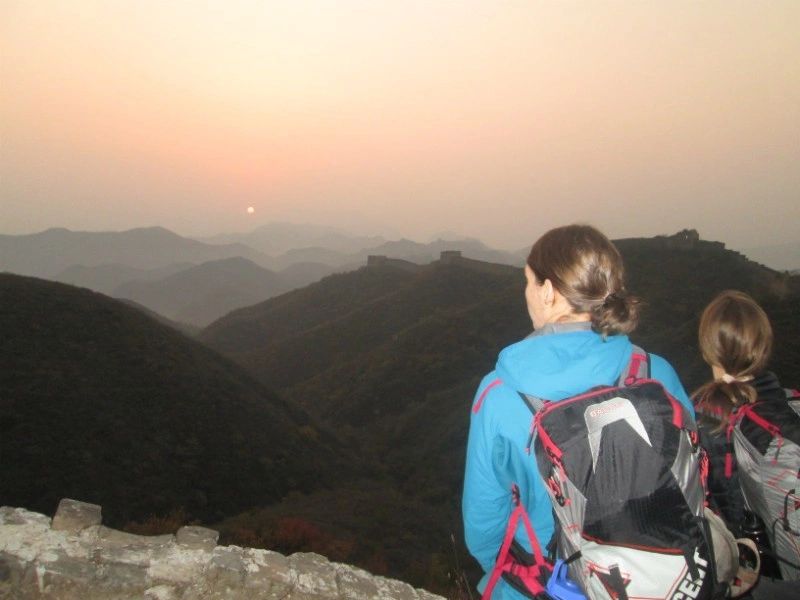
The Great Wall of China is the backbone of the Chinese nation and the only structure in space that can be seen with the naked eye. The Great Wall of China has been called one of the Seven Wonders of the Middle Ages for many years and is the greatest building project in the history of human civilization. It was built during the Spring and Autumn and Warring States periods and was completed after the unification of China during the Qin Dynasty. The Great Wall is even bigger and better preserved today, including Badaling Great Wall, Mutianyu Great Wall, Simatai Great Wall, Shanhaiguan and Jiayuguan Great Wall. The Great Wall of Tiger Mountain, the Great Wall of Nine Gates and so on. But I'm the only one who loves the most rugged, weathered, and untouched section of the Great Wall with the most varied terrain. . It fully demonstrates the Great Wall's astonishment, danger, strange, special, unique, and show. It is one of the most famous and dangerous sections of the Great Wall in the Ming Dynasty, which is also known as the "arrow buckle" section. The Great Wall is a veritable wilderness. It has been the most photographed section of the Great Wall in recent years because of the beauty of its other landscapes. The Arrowhead is filled with peach blossoms in spring, waterfalls, and clouds after heavy rains in summer, red leaves in autumn, and snow in winter. Magnificence and beauty perpetuate this myth of immortality.