The Four Finest Classical Gardens
The Lion Forest Garden
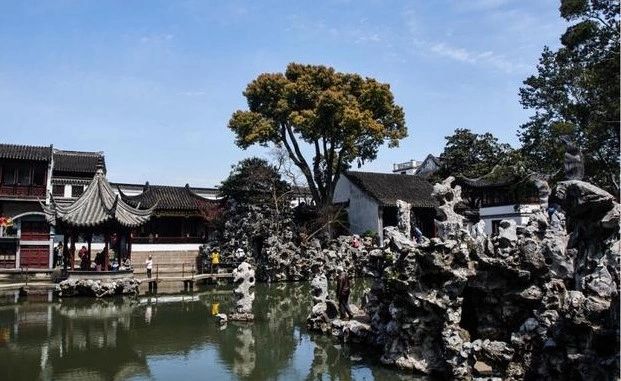
A rockery is more than a real mountain.
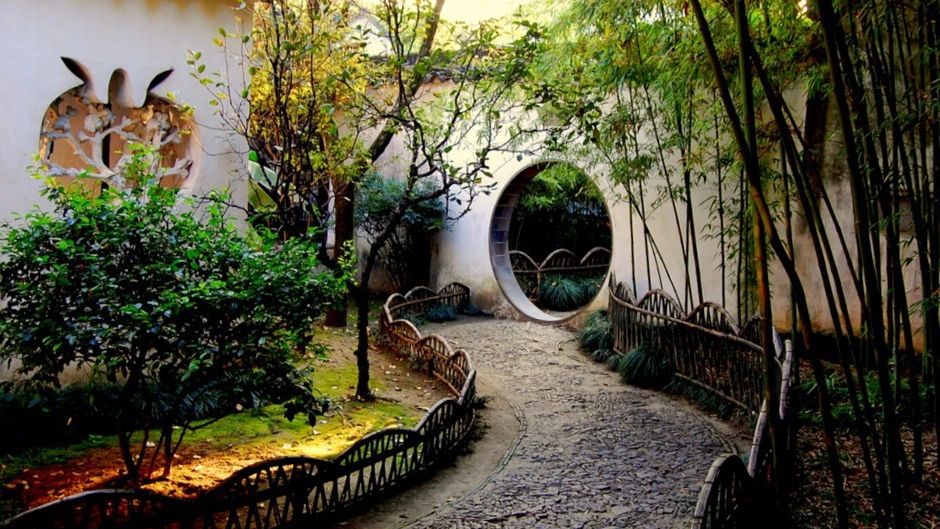
The forest is full of bamboo in the garden. There are many strange stones under the bamboo, like a cricket (lion). Master Zen Zhongfeng once advocated Taoist Lion Rock in Tianmu Mountain. He took the meaning of the" lion roar "in the Buddhist scripture and changed the name to a lion forest. The lion forest rockery is the only survivor of large-scale rockery in Chinese gardens, which has significant historical and artistic values. The lion forest rockery groups have undulating peaks and strange peaks. The rockery group has nine routes and 21 caves. Make roundabout twists and turns, and strive for vertical ups and downs.
The rockery of the Lion Forest simulates Buddhism by simulating the human body, lion shape, and animal image related to the Buddhist story, to achieve the purpose of rendering the Buddhist atmosphere. Its cave approach is not entirely based on natural caves, but rather a maze-type approach. The stacked mountains in the eastern part of the park are all stacked with lake stones and are mimicked by the Buddhist scripture Leo as an abstraction and exaggeration. The famous Chinese traveler Xu Xiake also described it as "the world's great view."
"Facing the Hengshan Mountain, leaning against the Cuiping screen; uploading a dangerous cliff, descending into the deep valley, cutting stones as the base, and starting from the rock; the structure is breathtaking and the shape is strange." During the Qing Dynasty, the architecture reached its peak.
The Canglang Pavilion
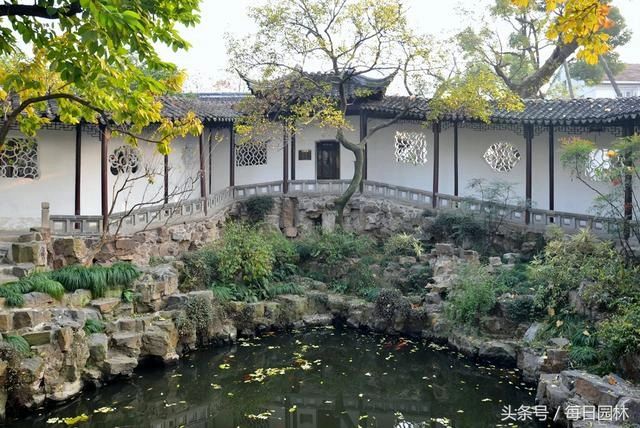
The breeze and the bright moon are priceless.
Canglang Pavilion is the oldest existing garden in Suzhou and was built in the fifth generation.
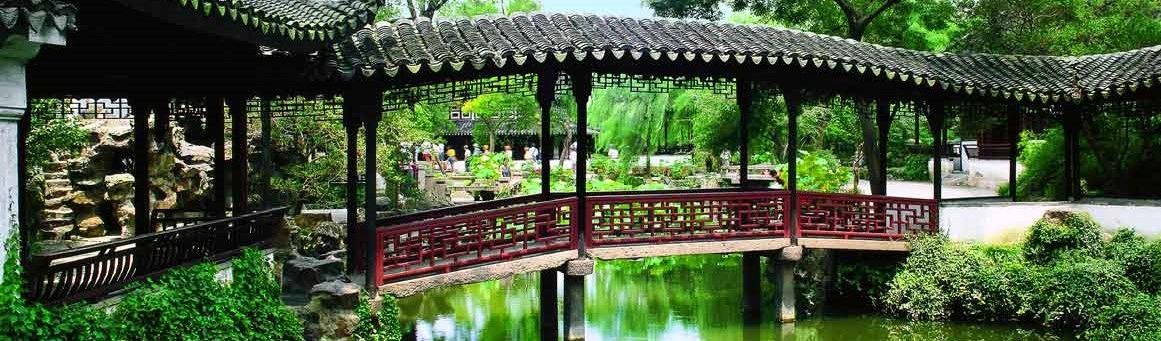
The other gardens in Suzhou are surrounded by high walls. Canglang Pavilion does not fall in love, dares to break the grid, boldly borrows external scenery, contrary to the convention of high-walled deep courtyards, integrating the park and the park as a whole, with wild forests and mountains, and is characterized by "Chongfu Guangshui." There is no beauty when there is no water in the mountains, but less rigid when there is no water in the mountains. The Canglang Pavilion builds a double corridor along with the pool, winding, and twisting. One hundred and eighty different views of the leaking windows on both sides make the water outside the park, and the mountains inside the park complement each other and complement each other naturally, which is a model of borrowing scenery.
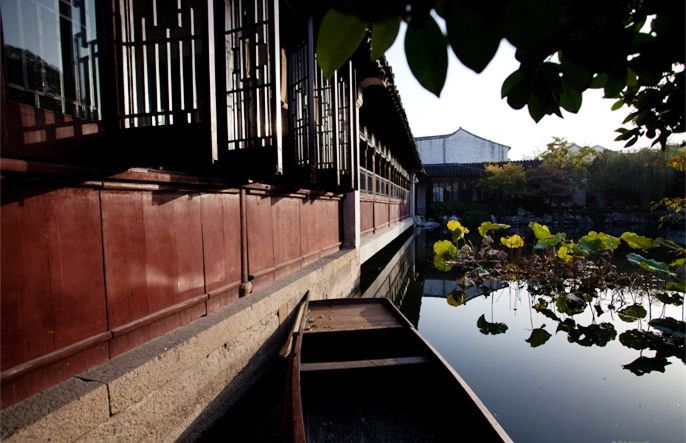
Canglang Pavilion is surrounded by water on three sides, and the garden is alive from the water. When you enter the door, you will face Shui Xuan. The couplet in the Xuan Village will have a short boat to support the moon, and Xiao Xuan will be surrounded by water. Life.
The Lingering Garden
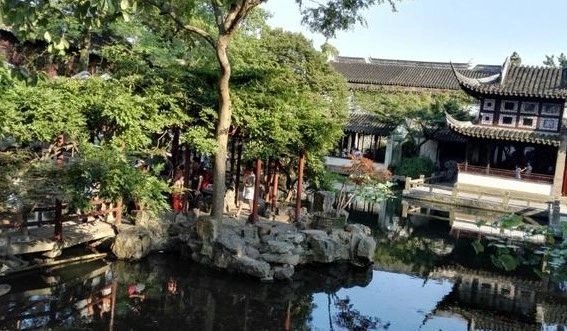
The thin and thin lake rocks are wrinkled, and the delicate carvings surround the flower fence.
It is dense and dense.
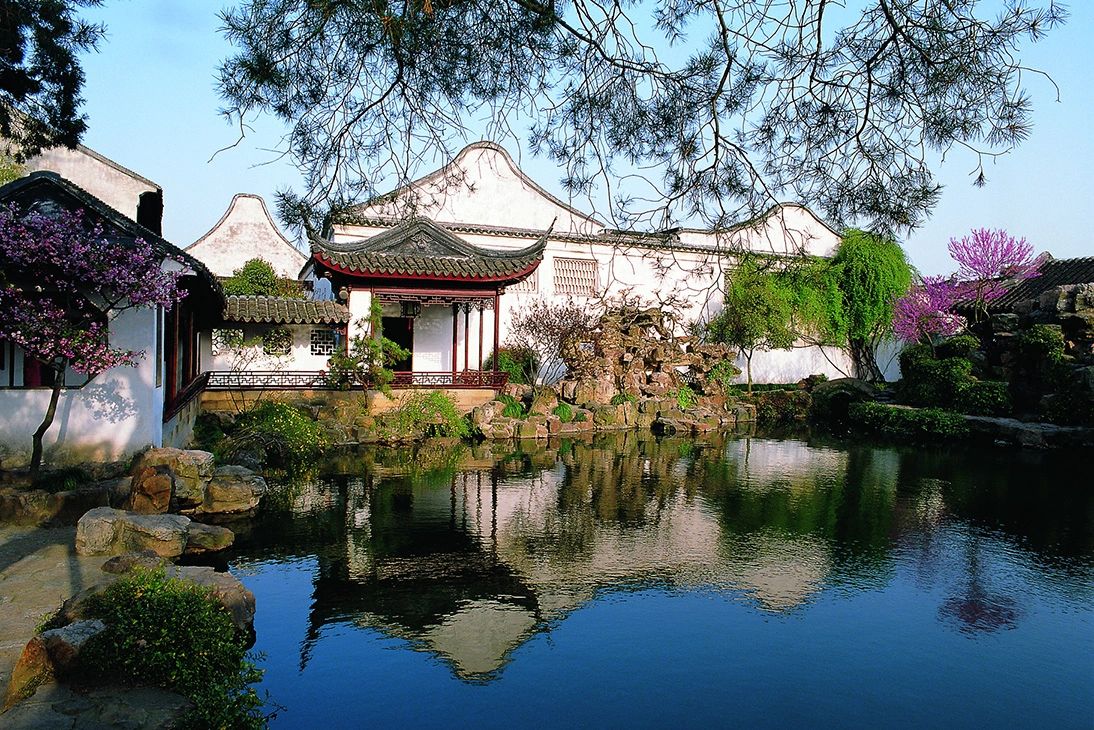
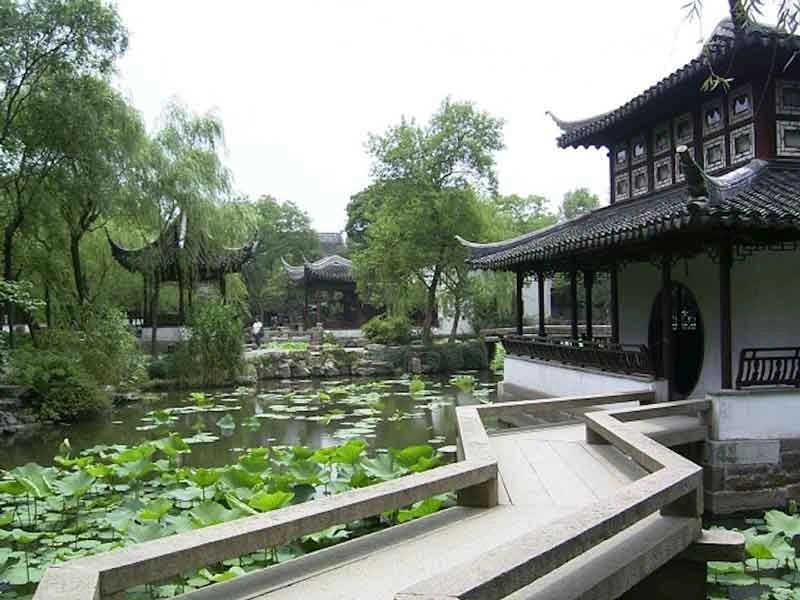
The Lingering Garden brings together buildings, rockeries, pavilions, pools, and carefully placed trees in a compact setting. Covered walkways connect the spaces, revealing a succession of framed views as you move through the garden.
And it ’s a gallery, the height changes, the bending changes. There are wall stickers, non-wall stickers, and homeopathic bends by the lake. It can be described as classic. Its curve is folded, the height is different.
The Humble Administrator's Garden
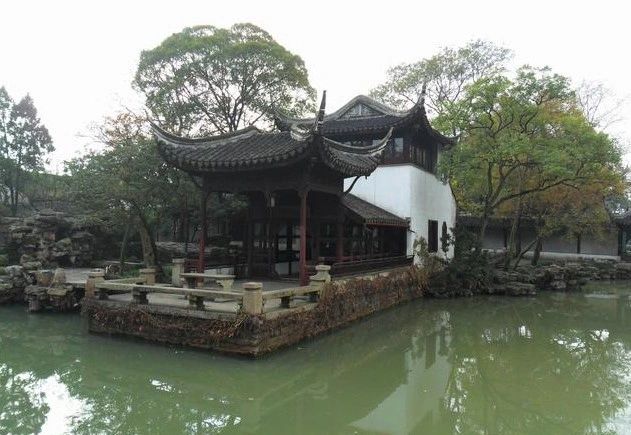
Someone loves the quietness of its courtyard, the flowers and trees stand out;
Someone loves its clear stream, the mountains and rocks are mixed;
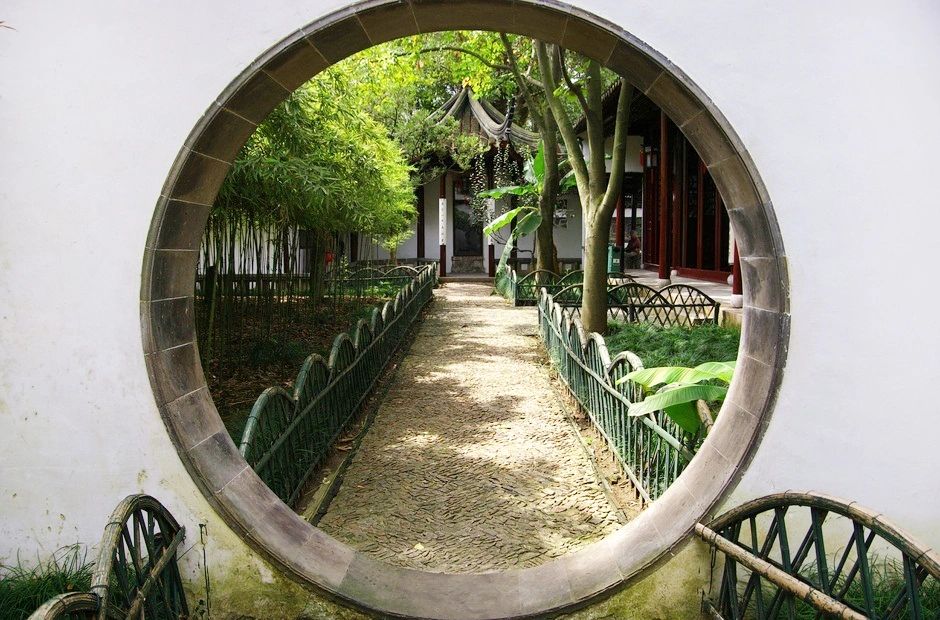
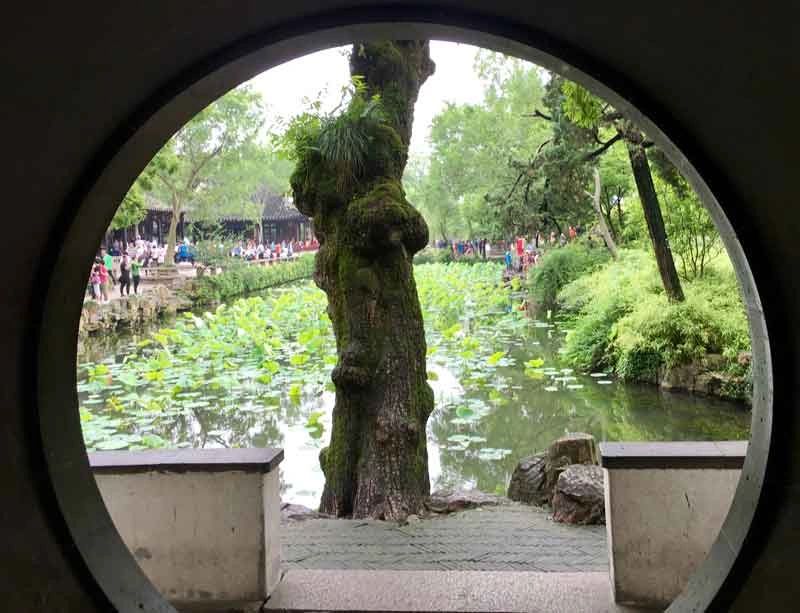
Some people love its moon door leaking windows, picturesque scenery;
Someone loves its house corridor, which is exquisitely constructed.
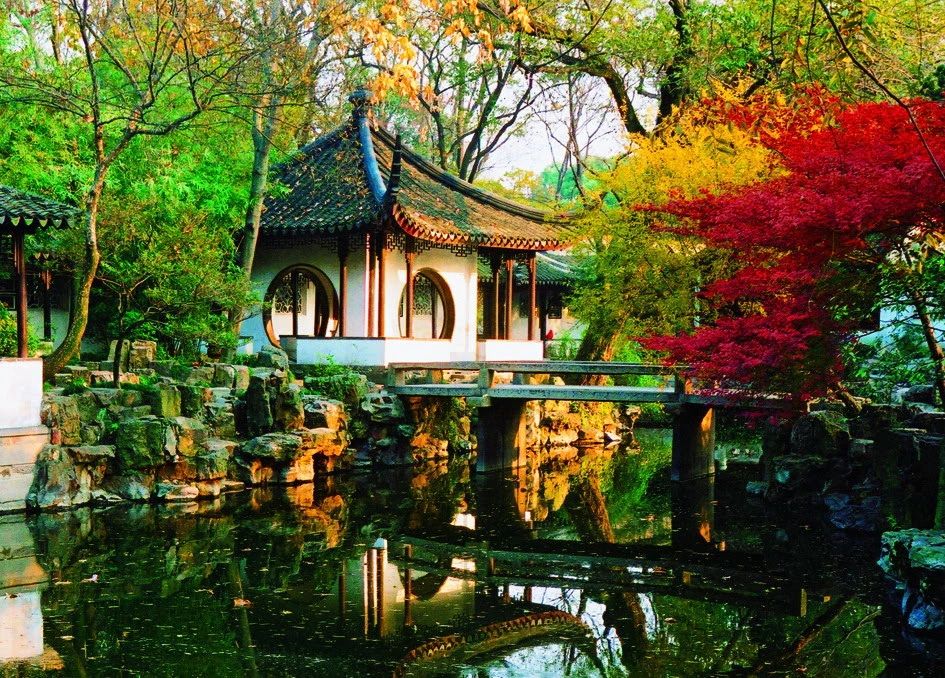
The Humble Administrator's Garden was built in the early 15th century and now covers 78 acres. It is the most extensive existing Suzhou classical garden. The Humble Administrator's Garden was developed based on a temple's former site, forming a garden-style dominated by water, sparse and bland, almost natural. The 36 buildings of the Humble Administrator's Garden and the main building of the West Garden are elegant and luxurious. The diamond-shaped glass on all sides is blue and white with a window and a view from inside and outside. Here you can admire Kunqu, the most beautiful ancient drama in China.
Itinerary
7:30 a.m.: Hotel pickup from Shanghai
Your English-speaking guide and private driver will pick you up at your hotel in Shanghai.
9:00-10:00 a.m.: The Lion Forest Garden
10:30 a.m. - 11:30 p.m.: The Canglang Pavilion
12:00 - 1:00 p.m.: Lunch
Shanghai-style Chinese lunch in a certified restaurant by Great Wall Adventure Club.
1:30-2:30 p.m.: The Lingering Garden
3:00 -4:30 p.m.: The Humble Administrator's Garden
6:00 p.m.: Arrive in Shanghai
We'll drop you off at your hotel.